


FUTURE OF PRESS FREEDOM New restraint or transformation?

by Ahammad Foyez
BANGLADESH is at a turning point when it comes to the future of its media environment. The focus has moved away from questioning whether there is press freedom in Bangladesh to how the form will evolve in the coming decade. Technology, legislation, economy, institutions, and internal dynamics of journalism will all come together to influence its trajectory.
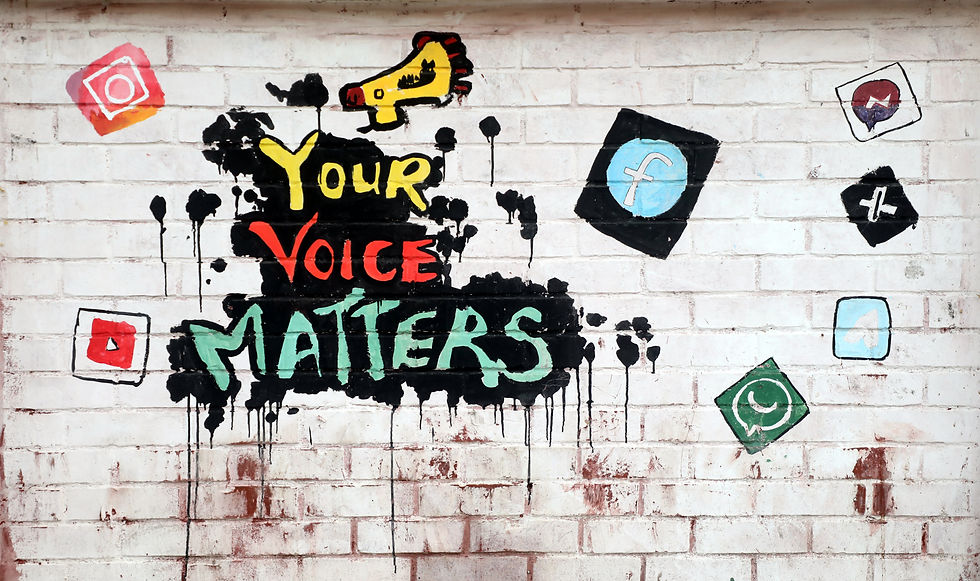
Technology has had a huge impact on journalism in Bangladesh. Social media websites, YouTube videos, and even Facebook Live broadcasts challenge the supremacy of conventional journalism. It is possible for a farmer living in Rangpur to view news through such sites without having to go through conventional channels. However, such accessibility poses other concerns for the freedom of the media. Legislation on cybersecurity enables government monitoring of internet content.
Media pressures are also undergoing change. Coercive practices like outright bans are increasingly being replaced by more sophisticated methods of legal notices, legal threats, and content deletions. Journalists refer to the concept of self-censorship as a means of survival, choosing to refrain from covering topics which may result in reprisals. While statistical evidence is scarce, the trend is clearly one which promotes caution over frankness.
The role of institutions still needs to be considered. The constitutional right to freedom of expression cannot be realised in practice without the independent judiciary, police forces, and regulators to enforce it. Uneven enforcement, whether prompt in some cases and dilatory in others, creates suspicion about the fairness and reliability of the legal system, which undermines public trust in institutions responsible for upholding freedom of expression. Promoting institutional neutrality is thus an essential, though challenging, task.
Finally, economic factors continue to exert pressure. As traditional media companies face the loss of advertising revenue to digital media sites, they are more dependent than ever upon their corporate sponsors. This produces what is known as 'soft alignment', in which decisions on editorial coverage are influenced indirectly by financial considerations.
One of the most significant obstacles to the future of journalism in Bangladesh is its partisan loyalty. Whenever journalism gets tied up with politics, it could transform itself from being a factual medium to being a narrative platform. Under these circumstances, people will not perceive news as impartial information but rather as an extension of ideology or partisanship.
A lot of media organisations are viewed — whether rightly or wrongly — as partisan in nature when it comes to the political or corporate sector they belong to. Though they may not have any intention of disseminating incorrect information, the mere impression of them being biased will affect their credibility among readers.
In a scenario like this, different social groups will start relying on different news sources for information, resulting in their creation of different realities. The same effect will be observed in newsrooms, where the decision to cover certain events or issues will be made based on political sensitivity. Though this trend isn’t unique to Bangladesh, its effect could be more profound in the context of a politically divided nation.
However, signs of change are slowly becoming evident. Youth-led, independent, digital initiatives are growing fast. Podcasts, freelancing cooperatives, and online platforms are decentralising journalism. A young journalist in Dhaka is capable of uncovering cases of corruption in their locality through a phone and social media. Nevertheless, such independent entities remain unprotected from potential threats posed by the government.
Politically charged times like an election period often act as litmus tests for the freedom of the press. It is clear that, in times like these, the media faces increased criticism and restrictions, as has happened before in previous election cycles in the country. With upcoming elections at the local level, the flow of information will be under close observation.
At the international level, Bangladesh remains under scrutiny. Organisations like Reporters Without Borders and measures like the World Press Freedom Index rank the country among the worst in press freedom ratings. Although the authorities have always contested the impartiality of these rankings, the question remains unresolved.
In the end, the fate of press freedom in Bangladesh is unlikely to hinge on any one statute or body. It will arise from the interplay of technology, governance, economics, politics, and internal media dynamics. The road ahead is ambiguous territory, where restriction and redefinition are equally possible options.
Ahammad Foyez is a staff writer at New Age.


Comments